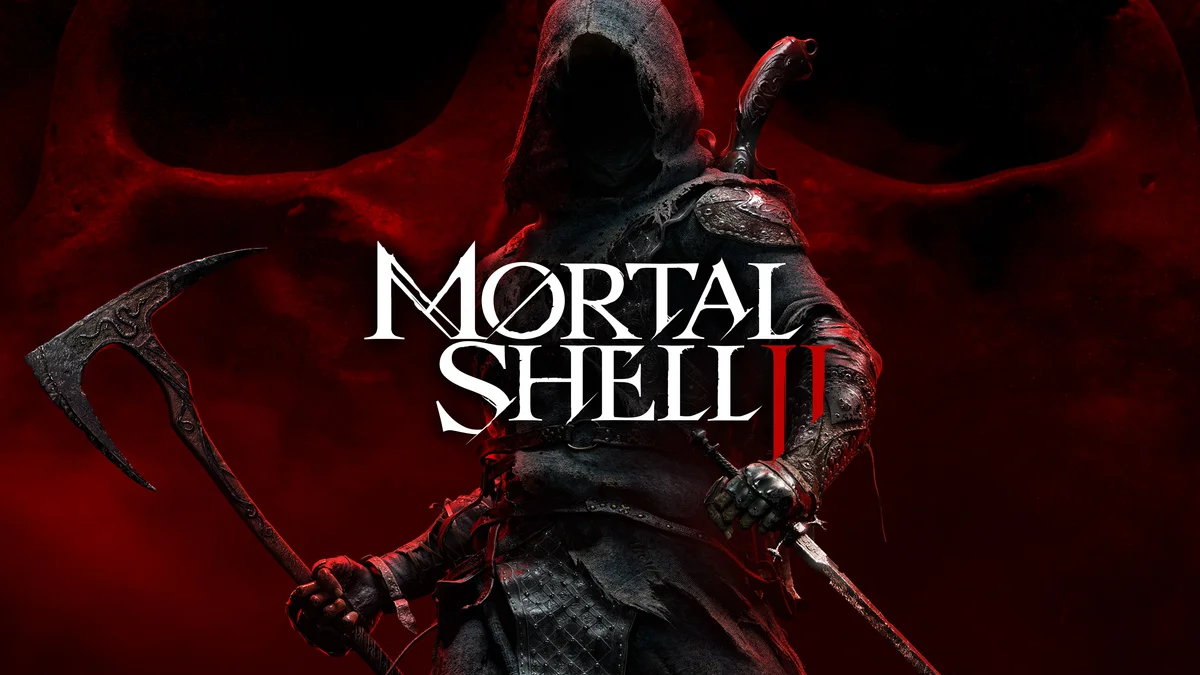
The first Mortal Shell changed Playstack's trajectory
When Cold Symmetry and Playstack announced Mortal Shell II in 2025, the publisher made the project's importance unusually clear. The original Mortal Shell, released in 2020, had sold more than two million copies according to Playstack and represented a turning point for the company.
Playstack directly connects that success with the path that later allowed it to support games including Balatro, Abiotic Factor and The Case of the Golden Idol. Returning to Cold Symmetry with a sequel was therefore both a continuation and a significant financial bet.
Playstack publishing vice president Rob Crossley went as far as describing Mortal Shell II as the company's largest-ever game investment by an order of magnitude.
Cold Symmetry grew without becoming a giant studio
The sequel was developed by an expanded independent team of roughly thirty people. That is larger than the operation behind the original project, but still small compared with the scale of the game being attempted.
Mortal Shell II moves into an interconnected open world, adds a larger playable Shell roster, deepens its weapons, removes the stamina bar and dramatically expands the amount of explorable content.
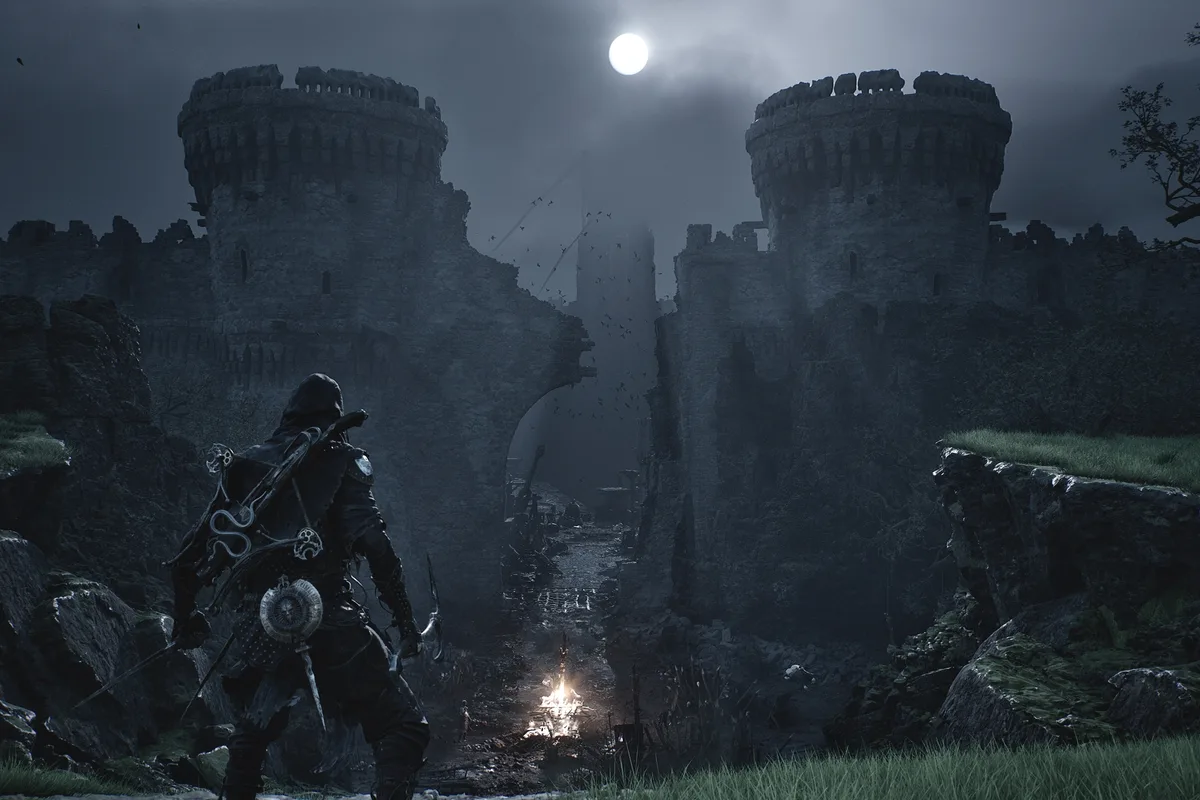
That kind of transition can easily trap an independent developer. A concept that works inside a tightly controlled game does not automatically become stronger when given more land, more systems and a substantially larger production burden.
Reviews suggest the bet did not dilute its identity
The early results are reassuring. OpenCritic currently shows an 85 average across 55 critic reviews, rating the game Mighty and placing it in the top 5 percent of titles reviewed on the platform.
The score itself is not the most interesting part. A significant portion of the positive critical response argues that Mortal Shell II still feels recognizably like Cold Symmetry's work despite the larger world and heavily revised combat.
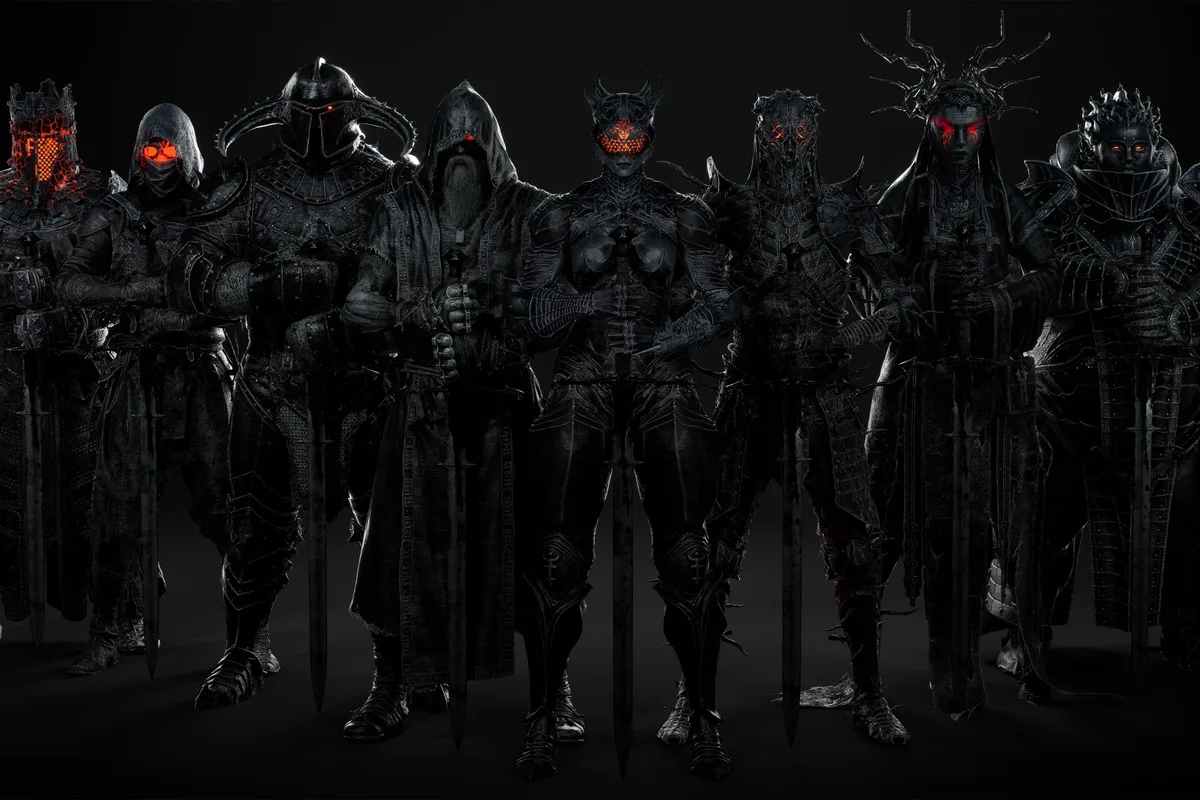
The Shell concept remains central, while the dark-fantasy art direction retains its brutal and unsettling character. The sequel is therefore attempting to become larger without dissolving into an anonymous imitation of the biggest Soulslikes on the market.
The technical risk has not disappeared entirely
That expansion still carries visible costs. Several reviews mention bugs, navigation problems or uneven balancing. Those are precisely the weaknesses worth watching when a relatively small studio attempts to build a much larger world.
Launch will therefore test how Cold Symmetry handles the period after release. A strong aggregate score rewards the version reviewed by the press; it does not guarantee that every player will avoid technical issues or that post-launch support will be simple.
Playstack did more than finance another sequel
The industry significance of Mortal Shell II ultimately comes from the relationship between these two companies. Playstack could have treated the first game's success as a reason to make a cautious follow-up. Instead, it chose to put substantially more resources back into the developer that had helped change its own trajectory.
At 49.99 euros for the standard edition and 59.99 euros for the Devout Edition, Mortal Shell II remains priced below many of the industry's largest premium releases. Its ambition, however, is clearly trying to exceed what people instinctively associate with a small independent team.
Sales will determine whether the investment pays financially. The first reviews already answer a different question: could Cold Symmetry become bigger without losing what made Mortal Shell interesting? At launch, the answer is leaning strongly toward yes.